San Antonio Roof Repair: Signs You Need Professional Help
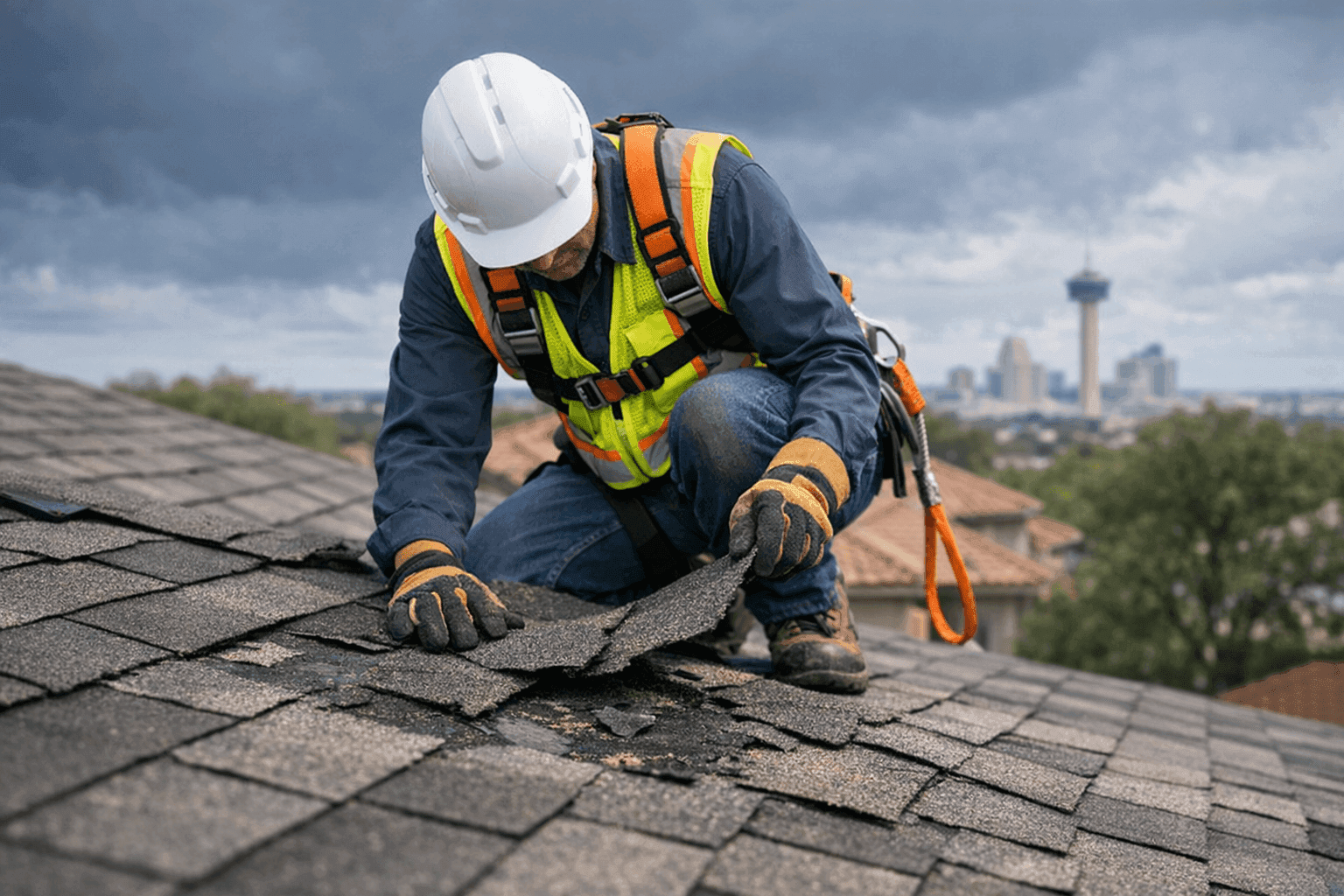
If you’re reading this, you probably already have that uneasy feeling. Maybe you spotted a strange stain on the ceiling, or you heard the tap-tap-tap of water where it shouldn’t be. In San Antonio, roof problems don’t just go away with time—they get worse, fast.
At Martin Roofing, we’ve spent decades helping San Antonio families and businesses recover from everything our wild Texas weather can throw at a roof. Let’s walk through the signs your roof is waving a red flag—and what you should do next.
Common Signs Your Roof Needs Repair
Roofs talk, just not in words. Here’s what to watch for:
- Water stains or spots on ceilings: Like footprints in the sand, these show where water’s been. If you see brownish rings on your ceiling or walls, you’re looking at a leak.
- Missing or cracked shingles: Shingles are your roof’s armor. If they’re damaged, water, wind, and pests can slip in with ease.
- Visible sagging: A sagging roofline is more than just an eyesore. It can point to structural trouble—a bit like a bridge with a dip in the middle.
- Granules in your gutters: Shingle granules look like coarse, black sand. If they’re washing away, your shingles are losing their defense.
- Damaged flashing or sealants: Flashing is the metal that keeps water away from the seams and edges. If it’s bent, rusted, or missing, leaks aren’t far behind.
- Moss or algae growth: Plants might look harmless, but they hold moisture. Over time, they can rot your roof from the outside in.
Ignoring these signs is like ignoring the check engine light on your car—problems grow, and the fix gets more expensive.
Seasonal San Antonio Roof Risks 🌩️
San Antonio’s weather swings from sizzling summers to sudden hailstorms. Each season brings its own kind of trouble:
- Thunderstorms and hail: Hail can batter shingles, leaving dents and cracks. Heavy rain finds any weak spot and pushes water inside.
- High heat: UV rays break down roofing materials faster than you’d think. Shingles curl, sealants dry out, and leaks follow.
- Strong winds: Gusts can peel back flashing or rip off entire sections of shingles, especially after a storm.
- Sudden cold snaps: While rare, Texas cold can make brittle materials crack, especially if there’s trapped moisture.
Season after season, small issues can snowball. That’s why regular roof checks—especially after storms—are crucial in San Antonio.
When to Call a Professional vs. DIY
It’s tempting to grab a ladder and try a quick fix. But roofing isn’t just about patching holes—it’s about safety, both yours and your home’s.
DIY may be okay if:
- You’re clearing leaves or debris from gutters.
- You’re replacing a single, easy-to-reach shingle.
- You’re checking for obvious signs from the ground.
Call a professional if:
- You see signs of leaks inside your home.
- There’s visible sagging or structural damage.
- Shingles are missing in large patches.
- Flashing or vent boots are loose or damaged.
- You’re not comfortable working at heights.
Remember: Falls from roofs are a leading cause of home injury. OSHA and the National Roofing Contractors Association both recommend leaving most repairs—especially anything involving heights or structural work—to trained professionals.
Emergency Repairs: What to Do While Waiting
Sometimes, damage can’t wait. If you’re dealing with a roof emergency, here’s a quick checklist:
- Stay safe: Don’t climb onto a wet or damaged roof.
- Move valuables: Shift electronics, furniture, and valuables away from leaks.
- Contain water: Use buckets, towels, or tarps to catch drips.
- Minimize spread: Lay down plastic sheeting or heavy-duty trash bags under active leaks.
- Document damage: Take photos for insurance claims.
- Call Martin Roofing: The sooner you call, the sooner we can help.
A heavy-duty tarp, securely fastened, can be a temporary shield. But don’t rely on DIY patches for long—water always finds a way.
Why Local Expertise Matters 🏠
San Antonio isn’t like other cities. Our blend of sun, storms, and temperature swings chews through roofs in unique ways. A local roofer understands:
- The materials that last: We know which shingles and sealants stand up to Texas heat and hail.
- City codes and permits: San Antonio has specific requirements for everything from attic ventilation to storm-resistant materials. We stay up-to-date, so you stay compliant.
- Emergency Services in San Antonio, TX: Fast response times mean less damage and lower repair costs.
- Building relationships: We’re part of the community. That means we’re here before, during, and after the storm.
Martin Roofing brings decades of hands-on experience, right here in Bexar County. Our team lives where we work—and we’ve seen it all.
Actionable Diagnostic Steps
Wondering if it’s time to call for help? Here’s a quick self-inspection guide:
- Walk your home’s perimeter after a storm. Look for shingles in the yard or granules at gutter downspouts.
- Check your attic after heavy rain. Use a flashlight to find damp insulation, dark stains, or visible drips.
- Peek at your ceilings and walls. Even tiny yellow rings can mean trouble above.
- Inspect flashing and skylights from the ground. Binoculars help you spot bent or rusted metal.
- Listen for new sounds. Drips, wind whistling, or scratching may signal roof gaps.
- Trust your gut. If something feels off, it usually is.
If your inspection turns up anything from these lists, don’t delay. Small problems are easier—and cheaper—to fix early.
The Risks of Ignoring Small Leaks or Damaged Flashing
A little water today can turn into a major headache tomorrow. Here’s what can happen if you wait:
- Mold and mildew: Even a slow drip can create the perfect environment for unhealthy mold.
- Rotten decking: Water seeps into wood, weakening your roof’s skeleton.
- Damaged insulation: Wet insulation stops working, meaning higher energy bills.
- Electrical hazards: Water and wiring don’t mix—a leak near a light fixture is dangerous.
A roof problem rarely stays isolated. Water always looks for the path of least resistance, and one leak can spread across rooms, walls, or even into your foundation.
Emergency Checklist for Roof Trouble
When the worst happens, stay calm. Here’s what you should do:
- Stay off the roof, especially during storms.
- Move people and pets away from affected areas.
- Collect and contain water leaks.
- Take photos for documentation.
- Call for Emergency Services in San Antonio, TX.
- If safe, cover exposed areas with a tarp until help arrives.
These steps can help minimize further damage until professionals can assess and repair the issue.
Practical Tips for Temporary Fixes
If you’re waiting for a roofer and need a quick, safe fix:
- Lay a heavy-duty tarp over the leak, securing it with boards or bricks (never nails if you’re not trained).
- Place buckets under drips.
- Use a broom to gently remove excess debris from the roof’s edge, if safe to do so.
- Never try to patch a roof during high winds or lightning.
Temporary fixes should only last until help arrives. Permanent repairs require the right materials and know-how.
The Importance of Timely Inspections and Repairs
National Roofing Contractors Association guidelines recommend inspecting your roof at least twice a year—and after any major storm. Early detection saves thousands in future repairs.
Regular professional roof inspections from Martin Roofing catch problems before they spread. We check flashing, shingles, gutters, skylights, and more.
Related Services
For a deeper look at what Martin Roofing can do for your home or business, explore our:
Closing Thoughts
A solid roof protects everything you care about. In San Antonio’s wild climate, small issues can turn big in the blink of an eye. Don’t wait until a drip becomes a downpour. Fast action and local expertise are your best defense.
Call Martin Roofing now — or reach us anytime at (210) 791-9449 .